“wind blowing” search results (200)

The flavor and taste of Mexico's top coffee beans introduce Aldura coffee.
After the workers picked the coffee beans, they spread the coffee beans in a special house with ventilation on all sides. About a week later, the coffee beans were packed in loosely packed bags so that the wind could blow through the bags. After about seven weeks, the coffee beans changed color and taste. Finally, these coffee beans are selected manually, and the coffee beans of high quality are selected and officially bagged for preservation. Aldumara coffee beans
2016-07-13 Mexico Top Coffee beans Flavor Taste introduction Al Dumara Mara
Mexican coffee flavor taste manor production area introduces Mexican boutique coffee beans Mexican coffee brand
. After the workers picked the coffee beans, they spread the coffee beans in a special house with ventilation on all sides. About a week later, the coffee beans were packed in loosely packed bags so that the wind could blow through the bags. After about seven weeks, the coffee beans changed color and taste. Finally, these coffee beans are selected manually, and the coffee beans of high quality are selected and officially bagged for preservation. Aldu Malaga
2016-07-18 Mexico coffee flavor taste manor producing area introduction boutique coffee beans products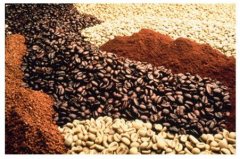
Special "requirements" for the growth environment of small-grain coffee
Small seed coffee is native to the lower part of the Ethiopian rainforest in northern Africa. The temperature is relatively low, with an average annual temperature of 20 degrees. The origin of medium-grain coffee is near the equator. Therefore, small seed coffee has stronger cold tolerance and wider adaptability than medium grain coffee. Medium-grain coffee requires a slightly higher temperature.
2014-07-10 Coffee news small grain coffee coffee planting requirements Yunnan coffee
Blue Hawaii: description of the only remaining coffee flavor in the United States introduction to grind Dokona Coffee
Chinatown in Hawaii used to be the largest overseas Chinatown for Chinese. Chinese people came to Hawaii earlier than Americans. In 1779, Chinese people came to develop and work on farms. Between 1852 and 1882, nearly 50,000 Chinese came to work. At that time, Chinatown was the largest Chinatown in the world. Due to the construction of Chinatown
2016-10-13 Blue Hawaii USA only left Coffee Flavor description Grinding Doc introduction
Environmental requirements for planting small seed Coffee in Yunnan
Based on the natural conditions of Yunnan, coffee planting areas should be selected where the annual average temperature is more than 18 degrees, the coldest monthly average temperature is more than 11.5 degrees, the monthly average temperature is less than 13 degrees within two months, and the extreme lowest temperature is above zero in general.
2014-06-05 Coffee planting planting environment Yunnan
Coffee tree cultivation requirements for the ecological environment
Arabica coffee is native to the Ethiopian tropical rain forest in northern Africa. The temperature is relatively low, with an average annual temperature of 20 degrees. The origin of medium-sized coffee is near the equator. Therefore, Arabica coffee is more cold-resistant than medium coffee and has a wider adaptability. Medium coffee requires a slightly warmer environment.
2014-09-05 coffee knowledge growing coffee trees ecology coffee tree requirements
Aldura Coffee Mexican Fine Coffee beans introduce the flavor and taste of Mexican coffee producing areas
After the workers picked the coffee beans, they spread the coffee beans in a special house with ventilation on all sides. About a week later, the coffee beans were packed in loosely packed bags so that the wind could blow through the bags. After about seven weeks, the coffee beans changed color and taste. Finally, these coffee beans are selected manually, and the coffee beans of high quality are selected and officially bagged for preservation. Aldumara coffee beans
2016-07-21 Al Dumara Mara Coffee Mexico Fine goods Coffee beans introduction producing areas
26 points for attention in brewing coffee in plug-wind pot
1. The next bottle should be dried and there should be no water droplets. When you pull out the upper seat, tilt to the right and pull straight up, do not break 3. The spring under the middle filter should be tightened, the hook should be hooked, and pulled to the center 4. When you plug in the seat, plug it down and hold it tight by 5. Pay attention to water quality: pure water, purified water, magnetized water, distilled water, do not use mineral water 6. The temperature is 80-90 degrees Celsius in this room. Punch time: all 50: 60
2015-05-27 Plug the wind pot boiled coffee 26 points for attention 1. Under dry can have water
The requirements of Coffee on Ecological Environment
Small seed coffee is native to the lower part of the Ethiopian rainforest in northern Africa. The temperature is relatively low, with an average annual temperature of 20 degrees. The origin of medium-grain coffee is near the equator. Therefore, small seed coffee has stronger cold tolerance and wider adaptability than medium grain coffee. Medium-grain coffee requires a slightly higher temperature. First, the requirement for temperature should be based on the natural conditions of Yunnan, and the suitable planting area of coffee should be selected.
2014-07-09 Coffee environment coffee beans coffee trees
The nutritional conditions for the growing demand for coffee
Small seed coffee is native to the lower part of the Ethiopian rainforest in northern Africa. The temperature is relatively low, with an average annual temperature of 20 degrees. The origin of medium-grain coffee is near the equator. Therefore, small seed coffee has stronger cold tolerance and wider adaptability than medium grain coffee. Medium-grain coffee requires a slightly higher temperature. The requirement of temperature is based on the natural conditions of Yunnan, and the suitable planting area of coffee should be chosen in the year.
2015-08-18 Coffee growth continuous demand nutrition conditions
Three little things to pay attention to when cooking a siphon pot in summer
Recently, the weather was so hot that even the upperclassman's syphon pot felt it. It was a little strange to boil it. Just in the middle of the water to seal the bag of coffee beans, the water almost spurted out and almost scared the seniors to death. Dripping water into the next pot may cause the glass of the next pot to break! The syphon in the hands of the seniors is an old friend who has been used for 10 years. What will you do if you leave? (tears run) so
2015-08-31 Summer siphon pay attention 3: 00 trivial recently the weather very hot seniors home sy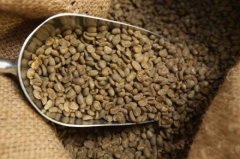
Requirements of Coffee on Ecological Environment Environmental requirements for planting Coffee trees
Small seed coffee is native to the lower part of the Ethiopian rainforest in northern Africa. The temperature is relatively low, with an average annual temperature of 20 degrees. The origin of medium-grain coffee is near the equator. Therefore, small seed coffee has stronger cold tolerance and wider adaptability than medium grain coffee. Medium-grain coffee requires a slightly higher temperature. First, the requirement for temperature should be based on the natural conditions of Yunnan, and the suitable planting area of coffee should be selected.
2015-02-25 Coffee ecological environment requirements planting environment
Environmental Requirements of Coffea arabica Cultivation in Yunnan Province
According to Yunnan's natural conditions, coffee planting areas should be selected in areas where the annual average temperature is greater than 18 degrees, the coldest monthly average temperature is greater than 11.5 degrees, the monthly average temperature is less than 13 degrees within two months, and the extreme minimum temperature is generally above zero. Arabica coffee is native to the Ethiopian tropical rain forest in northern Africa. The temperature is relatively low, with an average annual temperature of 20 degrees. Robusta coffee
2014-09-02 Coffee knowledge Yunnan coffee Arabica coffee cultivation environmental requirements
Introduction to Yunnan Fine Coffee varieties, Flavor, taste, Iron Card, Fine Coffee beans
Speaking of which, I think there should be some judgment on the varieties of coffee in Yunnan. What about the excellent iron pickup and bourbon before? In the new promotion and planting, there are still many hills left to continue to grow old varieties of coffee, but, generally speaking, backward places do not have the protection of origin and a single species, a mountain, 10 families, all kinds of people, a gust of wind blowing, pollen flying everywhere. Oh.
2016-07-18 Yunnan boutique coffee variety flavor taste pickup coffee beans introduction said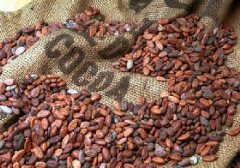
Variety characteristics of Yunnan small seed Coffee Bean introduction to the planting conditions of Yunnan Coffee producing area
Small seed coffee is native to the lower part of the Ethiopian rainforest in northern Africa. The temperature is relatively low, with an average annual temperature of 20 degrees. The origin of medium-grain coffee is near the equator. Therefore, small seed coffee has stronger cold tolerance and wider adaptability than medium grain coffee. Medium-grain coffee requires a slightly higher temperature. First, the importance of temperature
2021-11-17 Yunnan small grains coffee planting environment requirements
The only remaining coffee field in the United States
There are a total of 132 islands in the Hawaiian Islands, of which eight are currently inhabited, all of which are basically made up of ocean islands and volcanic islands. Without volcanoes, there would be no Hawaii today. However, there are only two active volcanoes in the Hawaiian islands today, and they continue to contribute to the development of Hawaii. Of the 50 states in the United States, Hawaii serves as
2014-08-11 Coffee culture American coffee Hawaiian coffee
General knowledge of Coffee planting Environmental requirements for the cultivation of small Coffee in Yunnan
Small seed coffee is native to the lower part of the Ethiopian rainforest in northern Africa. The temperature is relatively low, with an average annual temperature of 20 degrees. The origin of medium-grain coffee is near the equator. Therefore, small seed coffee has stronger cold tolerance and wider adaptability than medium grain coffee. Medium-grain coffee requires a slightly higher temperature. First, the requirement for temperature should be based on the natural conditions of Yunnan, and the suitable planting area of coffee should be selected.
2015-02-16 Coffee planting common sense Yunnan small grains environment requirements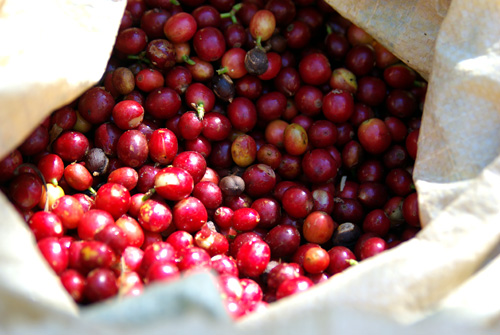
American Coffee producing area Cadura bourbon in Guatemala Coffee Vicki Heights Vivette South Fruit producing area
HighlandHuehue HighlandHuehue Guatemala Coffee Heights wbrHighlandwbrHuehue in three non-volcano coffee producing areas, Vivette Nanguo Huehuetenango has the highest altitude and driest. The wind from Mexico's Tehuantepec Plain is hot and dry, and thanks to these winds, the Vivette Nango region is protected from frost.
2016-03-31 America Coffee Origin Guatemala Viv Highlands Tenan producing areas Water washing du
Blue Hawaii, the last remaining coffee place in America.
There are 132 islands in the Hawaiian archipelago, eight of which are currently inhabited, all of which are basically composed of marine islands and volcanic islands. Without volcanoes, Hawaii would not be what it is today. Today, however, there are only two active volcanoes in the Hawaiian Islands, which continue to contribute to Hawaii's area development. Of the 50 states in the United States, Hawaii serves as
2015-06-15 Blue Hawaii United States Only Found Coffee Islands Total 132
The only remaining coffee place in the United States.
There are a total of 132 islands in the Hawaiian Islands, of which eight are currently inhabited, all of which are basically made up of ocean islands and volcanic islands. Without volcanoes, there would be no Hawaii today. However, there are only two active volcanoes in the Hawaiian islands today, and they continue to contribute to the development of Hawaii. Of the 50 states in the United States, Hawaii serves as
2014-09-19 Coffee producing area Hawaiian coffee producing area coffee producing area